We have all been there. You’re standing in the fluorescent glare of a massive retail store, armed with gift cards and a quickly dwindling sense of hope. The occasion is approaching—a birthday, an anniversary, graduation—and you are facing the impossible challenge: buying something for someone who has everything, or perhaps, someone whose tastes are as varied as their personality. It feels less like shopping and more like solving an advanced mathematical equation with insufficient variables. You want to show love and appreciation, but every item on the shelf seems to be a miss.
If you’ve ever felt that knot of anxiety in your stomach while contemplating gift options for "Sarah," who already owns three perfect coffee makers and apparently enjoys nothing less than boutique artisanal pickles, you understand the struggle. But please know this: being unable to buy them a nice thing does not mean you are failing as a friend or partner. It simply means that traditional shopping methods aren't working. The key isn't in the gift itself; it’s in the thought process behind it. Understanding effective gift solutions when the recipient is difficult to please requires shifting your focus entirely away from material goods and back toward human connection.
Shifting Focus: From Material Goods to Shared Experiences
The biggest mistake most people make when tackling this problem is thinking that a gift must be a thing. We have been conditioned by advertising to equate value with cost or size. However, the modern approach to gifting suggests that the greatest luxuries are often ephemeral—they are memories, time, and focused attention. By pivoting your mindset away from "stuff," you immediately unlock a vault of creative possibilities.
Consider an experience instead of an object. Instead of buying them another gadget, could you gift a class? A pottery workshop, mixology lesson, or even a challenging hike in a new park? These types of gifts are inherently anti-clutter; they create stories rather than cluttering up a shelf. They offer a shared activity that the recipient can look forward to, which is often more valuable than anything wrapped in ribbon.
The Art of Deep Observation: Decoding Their True Desires
If you treat gift-giving like an archaeological dig, your goal isn't finding gold; it’s uncovering clues about their life, their passions, and their quiet frustrations. This requires radical observation—listening not just to what they say, but to the things they talk about with enthusiasm. Do they complain about never having time to read? Maybe a subscription box for niche literary journals is perfect. Do they always mention wanting to learn something new? A membership to a local museum or online course might be the answer.
I remember my friend, Mark, who was notoriously hard to shop for. He’d spent years accumulating “cool things” that sat untouched in his apartment—a single-use espresso machine, three different types of artisan soap, half-read books on obscure history. One day, I noticed him spending twenty minutes looking at a small, local bookstore display of travel guides. It wasn't the book; it was the act of browsing and planning that captivated him. Suddenly, the solution became clear: instead of buying one guide, I bought an e-ticket for two people to take a train ride somewhere new together. The gift was participation in a journey, which finally unlocked some real joy.
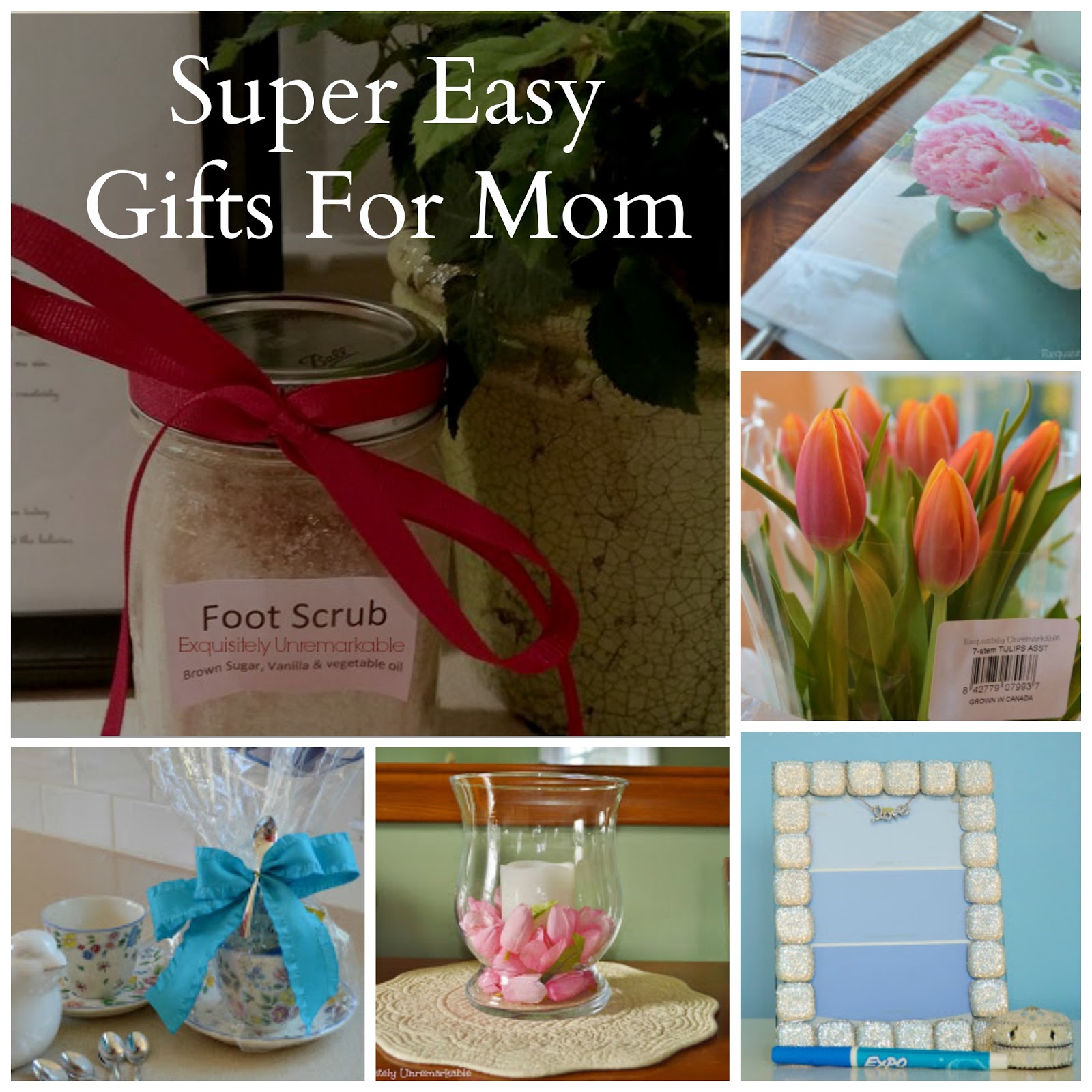
As Emma Kunz suggests, "The best gifts are those that reveal something about the giver and receiver—a shared secret or a deep understanding." By doing this kind of detailed emotional mapping, you move past generic suggestions and start crafting highly personalized gift solutions when the recipient is difficult to please. What does their soul crave right now?
Curating Thoughtful "Micro-Gifts" for Maximum Impact
Sometimes, the person isn't hard to please; they are simply overwhelmed by choice. In these cases, a massive gesture can feel disproportionate. Instead, focus on curating several tiny, perfect moments—what I call “micro-gifts.” These small items require minimal commitment but deliver maximum emotional payoff.
These could include:
- A highly specialized blend of tea you know they love, paired with a beautiful reading bookmark. A curated playlist of songs that remind you of a shared memory. A membership to a local botanical garden for one afternoon outing.
The goal here is to make the gift feel like an intimate whisper rather than a grand announcement. It suggests: I pay attention to the small details of your life. This subtle approach often resonates far more deeply than any expensive item purchased off a shelf. When you employ these focused techniques, finding gift solutions when the recipient is difficult to please becomes less stressful and more enjoyable.
Thinking Beyond Materiality: The Gift of Time and Attention
If the previous sections were about what to give, this section is about how to connect through giving. Ultimately, the most profound gift you can offer is your undistracted time and genuine presence. This transcends any budget or taste level.
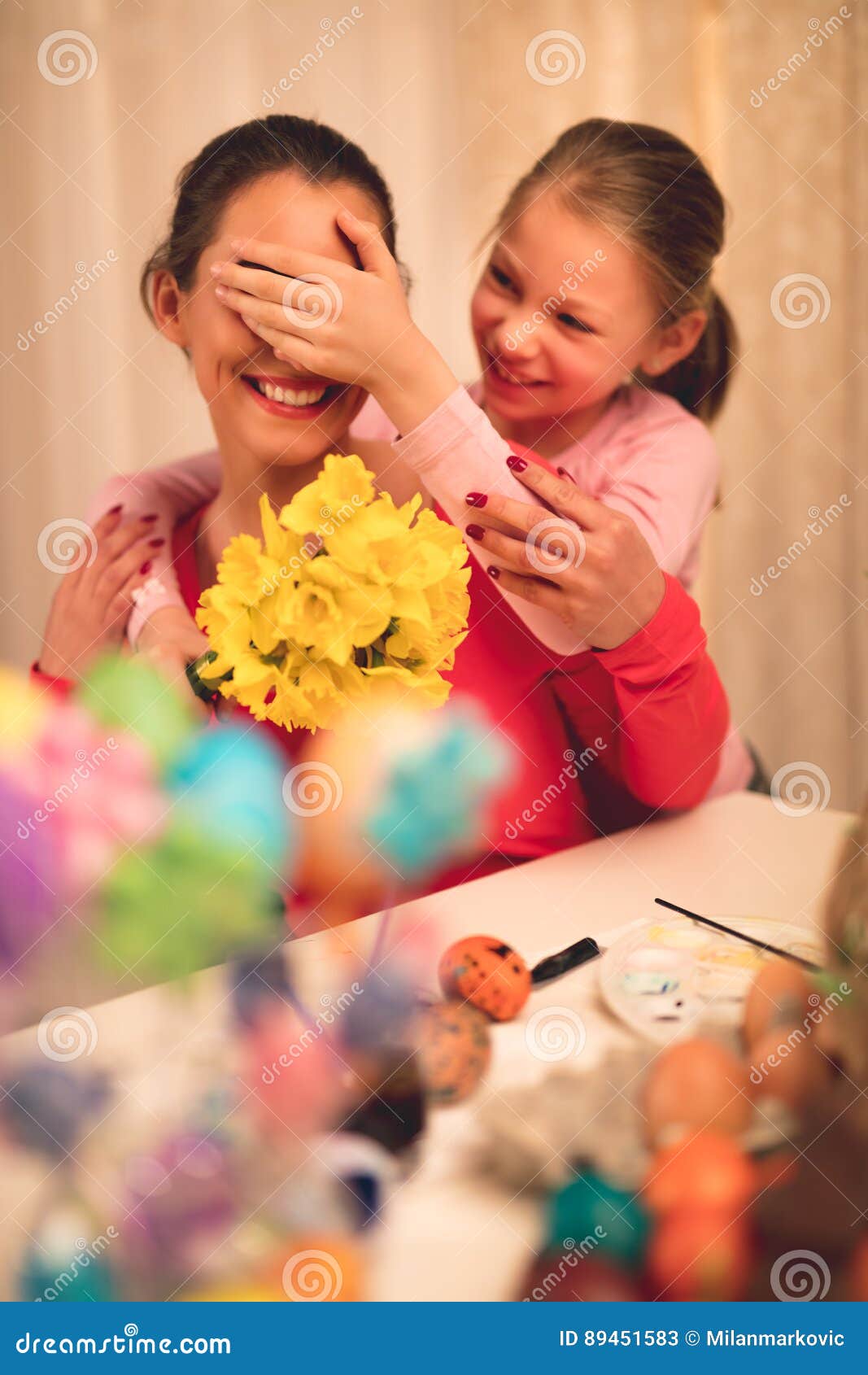
Are you spending quality time together? Are you truly listening when they speak without formulating your reply? These are currencies far more valuable than designer goods. A simple evening spent helping them organize a complex project, sharing their passion for something niche, or just sitting in comfortable silence—these acts communicate care that no purchased item can replicate. This deep empathy is the ultimate gift solution when the recipient is difficult to please.
Crafting Lasting Connections Through Intentional Giving
Ultimately, the true measure of a thoughtful gift isn't its monetary value; it’s the effort and intention woven into its existence. Approach gift-giving not as a transaction, but as an act of communication—a highly specific message that says, "I see you." By viewing the recipient through the lens of their unique joys and needs, you transform the stressful search for presents into a joyful exploration of shared humanity.
Next time the pressure is on, remember this: don't buy for them; find an opportunity to share something with them. Focus on building those meaningful connections, and the perfect gift will reveal itself.